

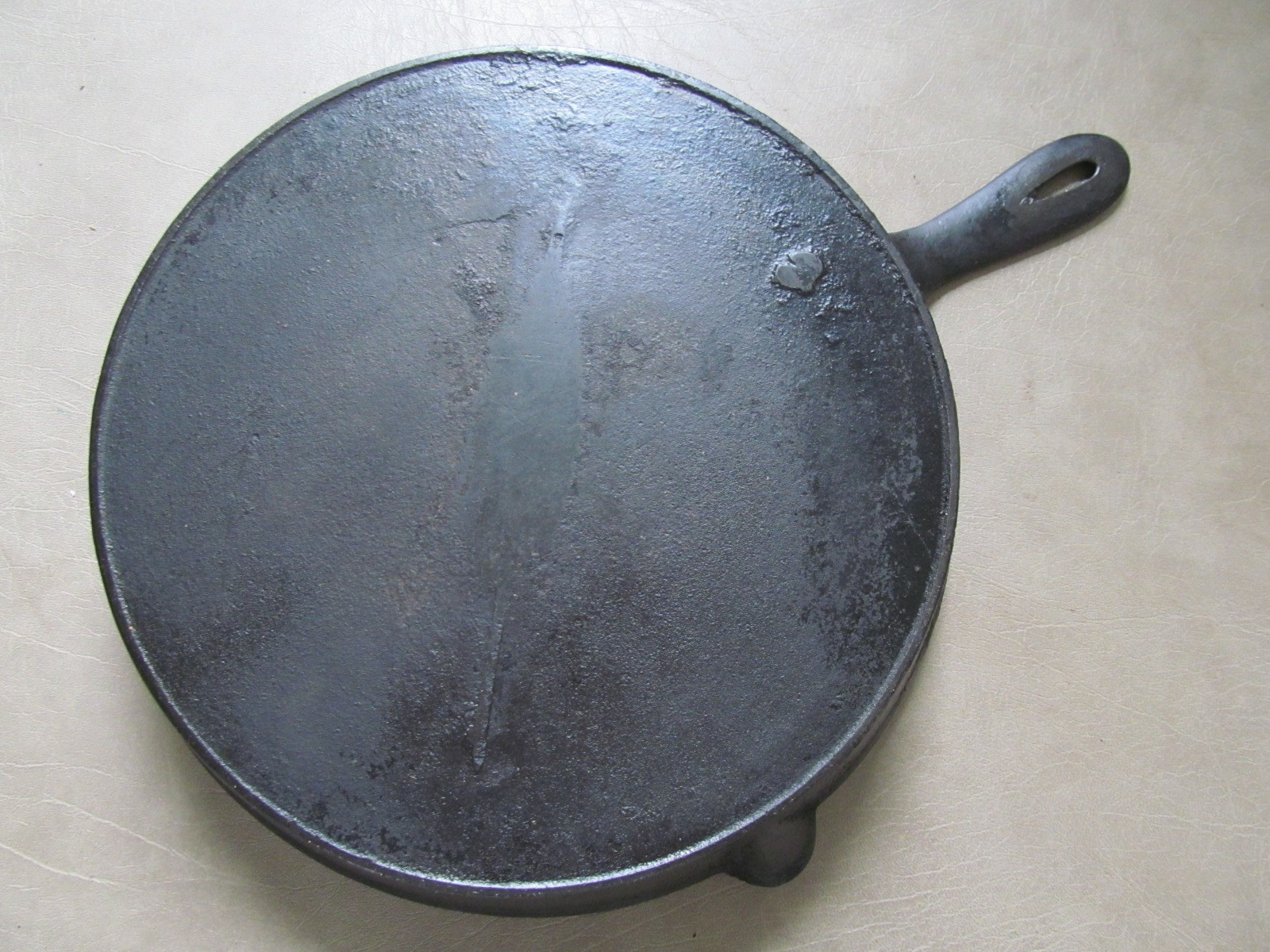
Antique 1800’s Gate Mark #8 Double Pour Spout Fancy Handle Cast Iron Skillet For Sale
 When you click on links to various merchants on this site and make a purchase, this can result in this site earning a commission. Affiliate programs and affiliations include, but are not limited to, the eBay Partner Network.
Antique 1800’s Gate Mark #8 Double Pour Spout Fancy Handle Cast Iron Skillet:
|

Other Related Items:
Related Items:
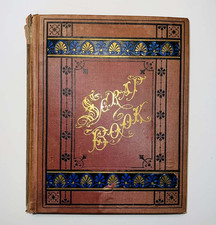
Antique Victorian Trade Card Scrapbook Album Advertising Die Cut Ephemera 1800s
$189.99
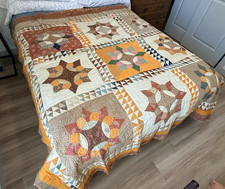
Antique 1800s Hand Stitched Caesar's Crown Scrapbag Quilt 83" x 78"
$249.79
Antique 1800’s Gate Mark #8 Double Pour Spout Fancy Handle Cast Iron Skillet
$110.00